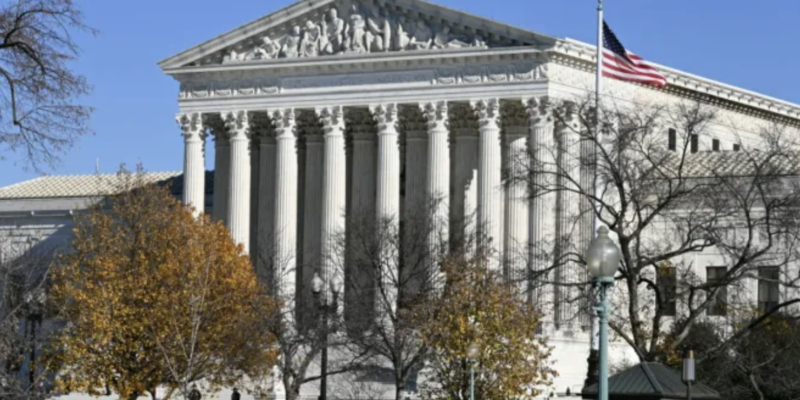

New Jersey's fight to regulate prediction-market platforms gained a powerful ally last week when the NFL urged the U.S. Supreme Court to settle a growing legal dispute over whether states can regulate sports-related contracts offered by companies such as Kalshi.
The league filed an amicus brief on October 8 supporting New Jersey's request for the justices to review the case, arguing that federal regulators may lack the resources and safeguards needed to oversee the rapidly expanding market.
According to Reuters' report, the NFL cited $1.8 billion in prediction-market trading on the first Sunday of the football season and questioned whether the Commodity Futures Trading Commission has sufficient staff to police the industry.
The dispute centers on whether platforms offering contracts tied to sporting events should be treated as federally regulated financial markets or subjected to the same state gambling laws that govern licensed sportsbooks.
New Jersey argues that companies should not be able to offer sports wagers without complying with state licensing and consumer-protection requirements. Kalshi maintains that its contracts fall under federal commodities law.
The legal battle intensified after conflicting federal appeals court decisions left states and prediction-market operators facing different interpretations of their authority. New Jersey asked the Supreme Court to intervene in September, and the NFL's filing adds one of the country's most prominent sports organizations to the debate.
The league has called for stronger safeguards, including restrictions on certain wagers and a higher minimum trading age. Those proposals are not necessarily part of the case before the Supreme Court, which centers on the division of authority between federal and state regulators.
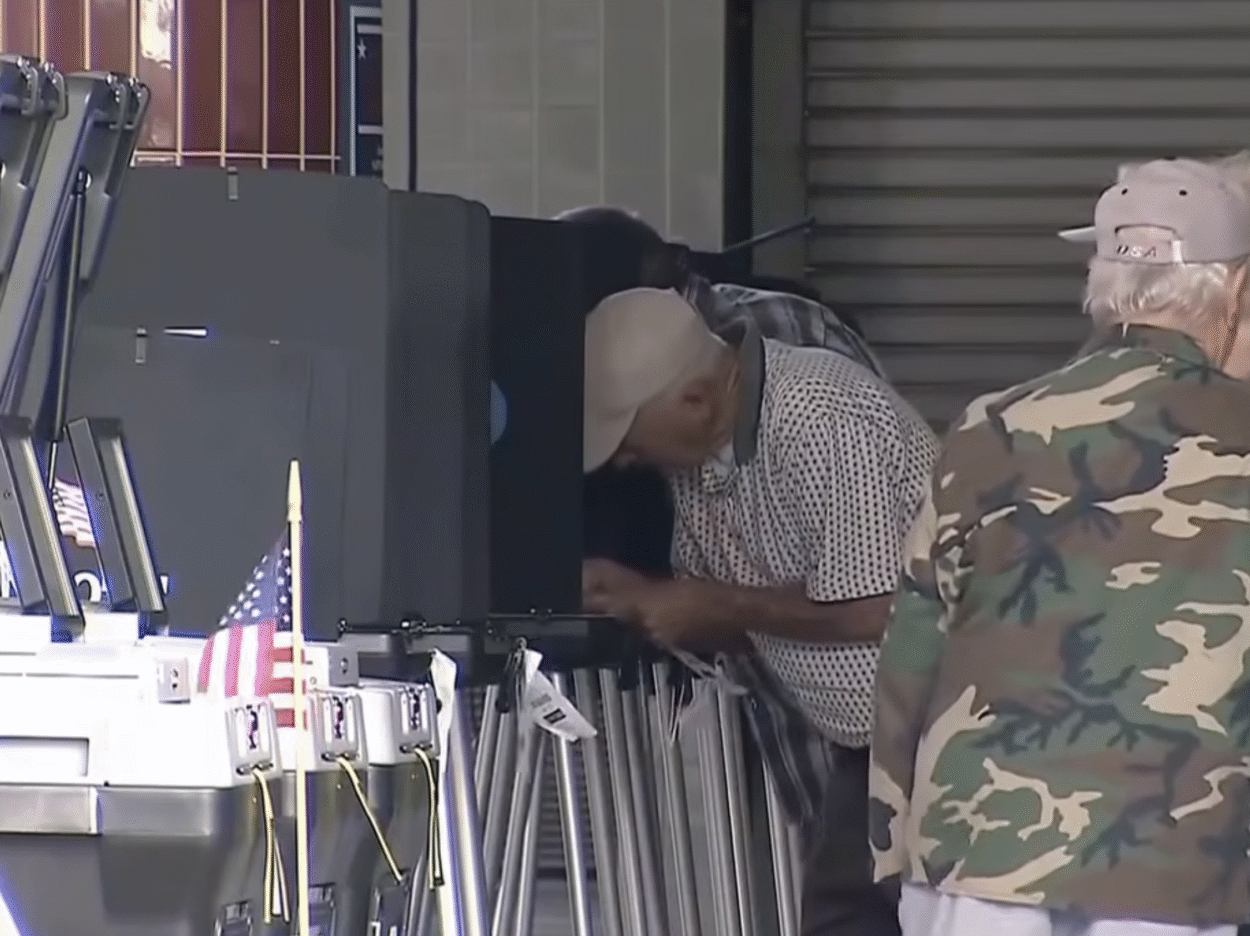
The controversy extends beyond sports. A Reuters/Ipsos poll published October 12 found that 69% of Democrats and 61% of Republicans opposed using prediction markets to bet on U.S. election results.
For New Jersey, the stakes include consumer protections, tax revenue and the future of its regulated sports-betting industry. The Supreme Court has not yet decided whether to hear the state's case.
The NFL's intervention adds pressure for the court to resolve the dispute as prediction-market trading continues to expand.