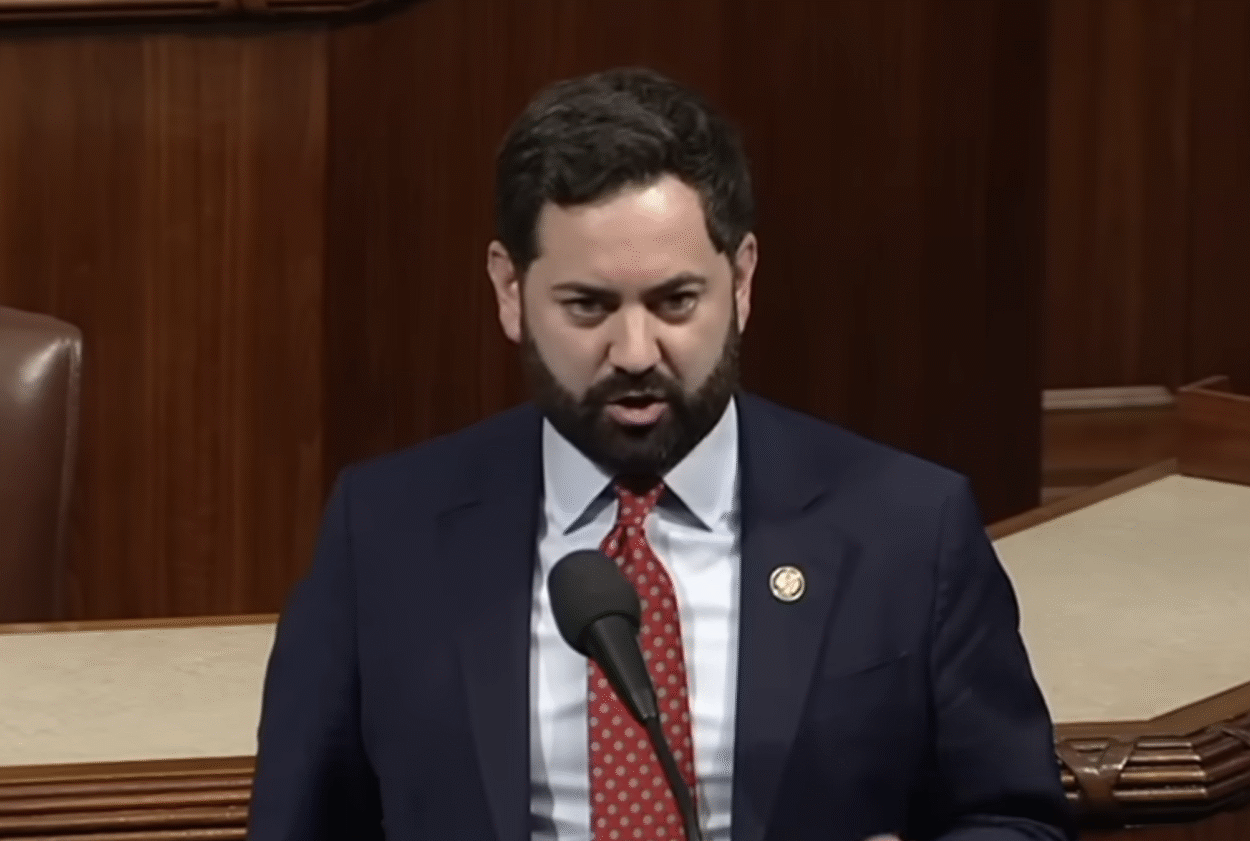

House Speaker Mike Johnson traveled to Bangor on Wednesday to campaign for Republican Paul LePage, putting national Republican resources behind a competitive Maine congressional race that could help determine control of the House.
Johnson told a crowd at Sea Dog Brewing Co. that Republicans could defy the historical tendency for the president's party to lose seats during midterm elections. He argued that the party's candidates were seeing encouraging support on the campaign trail and emphasized the importance of turnout.
“I'm telling you, we're going to surprise them,” Johnson said, according to the Associated Press.
LePage, a former two-term governor, is challenging Democrat Matt Dunlap for the seat being vacated by Democratic Rep. Jared Golden. Golden has represented the district as a centrist Democrat who has occasionally broken with his party to support Republican positions.
Maine's 2nd Congressional District is a particularly important target for Republicans because President Donald Trump has carried the district, even as Golden managed to win reelection. Republicans see the open seat as an opportunity to gain ground in a narrowly divided House.
The race also illustrates the competing pressures facing both parties. Republicans are trying to defend their congressional majority amid voter concerns about gas prices, tariffs and the war with Iran. Democrats are seeking to capitalize on those concerns while preparing an agenda focused on affordability and investigations of the Trump administration if they regain control.
Johnson's visit comes as the national parties make difficult decisions about where to spend their remaining campaign dollars. The Congressional Leadership Fund, the main House Republican super PAC aligned with Johnson, canceled advertising in four House races while increasing investment in other contests, including races in Texas and Pennsylvania.
The campaign is also unfolding alongside Maine's closely watched Senate race between Republican Sen. Susan Collins and Democrat Troy Jackson.
For LePage and Dunlap, the central challenge is translating national attention into votes across a sprawling district that includes much of rural northern Maine. The November 3 result will help determine whether Republicans can expand their majority or Democrats can take control of the House.