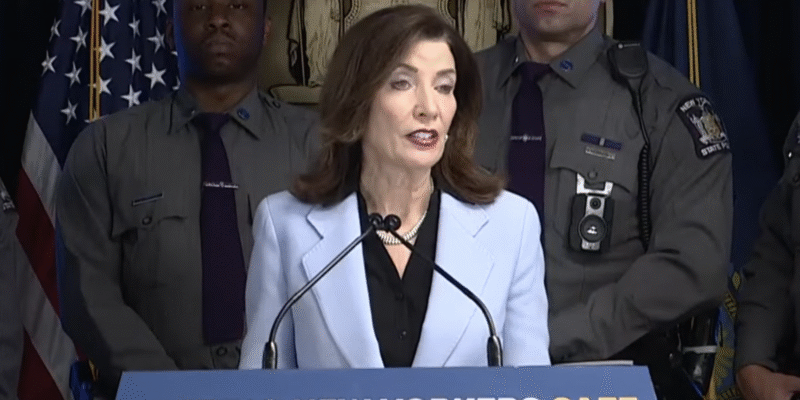

New York Gov. Kathy Hochul is launching a new state-federal crackdown on suspected fraud in a Medicaid-funded adult day care program that costs taxpayers more than $500 million annually, raising fresh questions about oversight of a benefit serving tens of thousands of older residents.
Hochul announced October 20 that state and federal agencies are investigating more than 100 social adult day care providers suspected of potential fraud or other illegal activity, according to the governor’s official announcement. The effort involves the state Department of Health, the Medicaid Inspector General, the attorney general’s Medicaid Fraud Control Unit, the FBI and federal health investigators.
The program provides daytime supervision, meals, social activities and personal care services through New York’s Medicaid managed long-term care system. More than 400 programs serve approximately 45,000 Medicaid members statewide at an estimated annual cost exceeding $500 million.
The scale of the spending makes the investigation significant. In 2025, the state Department of Health reviewed 418 social adult day care programs for compliance. Between 2021 and 2025, the Medicaid Inspector General investigated 387 subjects connected to the sector and referred approximately 100 cases to the attorney general’s Medicaid Fraud Control Unit for potential criminal prosecution.
Earlier this year, two Brooklyn defendants pleaded guilty in a $68 million fraud scheme involving the program. Authorities also announced separate charges in an alleged $120 million Medicare and Medicaid fraud scheme involving social adult day care and pharmacy services in Queens. Those cases do not establish wrongdoing by every provider under investigation, but they highlight the need for effective oversight.
Hochul has directed state health officials to strengthen prepayment reviews, consider payment suspensions and evaluate whether the program should be reformed or phased out in favor of alternative services for older New Yorkers. The department is expected to submit recommendations by December 31.
A moratorium on new providers, announced in July, remains in effect through January 2027 unless extended.
The administration faces a difficult balance: protecting vulnerable residents who depend on care while demonstrating that a program costing taxpayers more than half a billion dollars annually is subject to meaningful oversight.