
Pennsylvania's fight over AI surveillance is getting bigger.
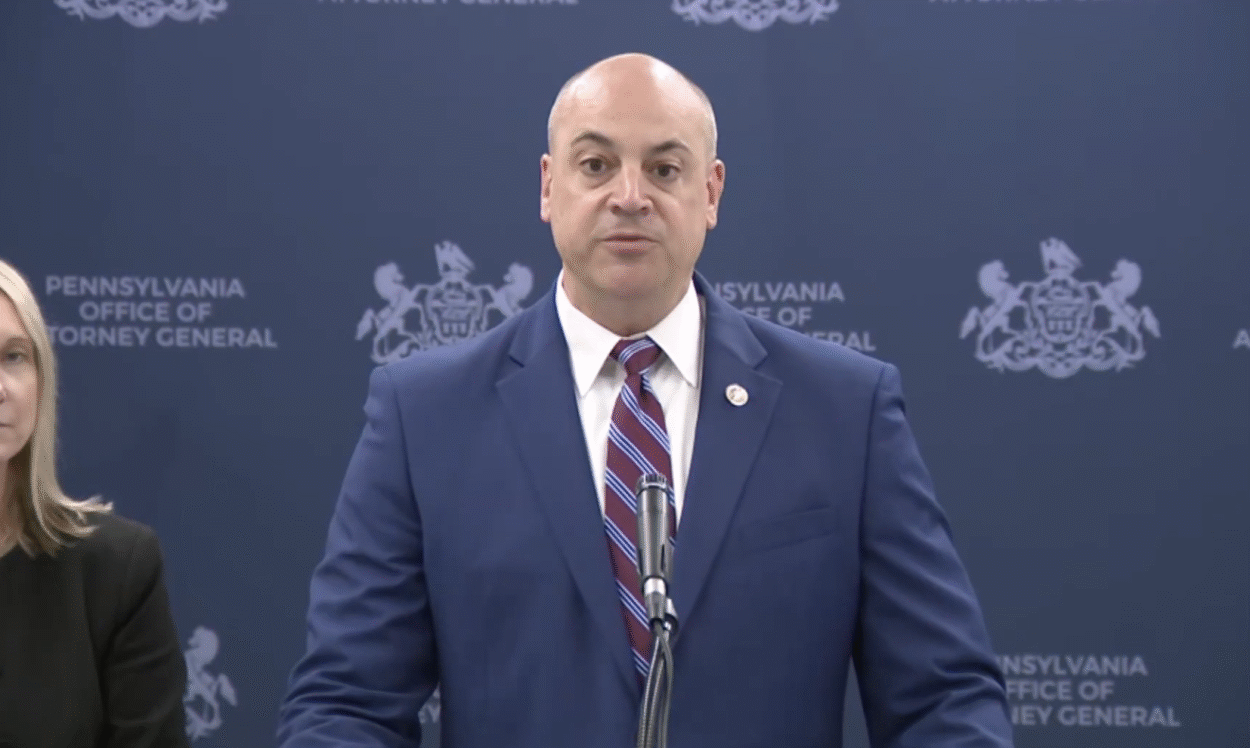
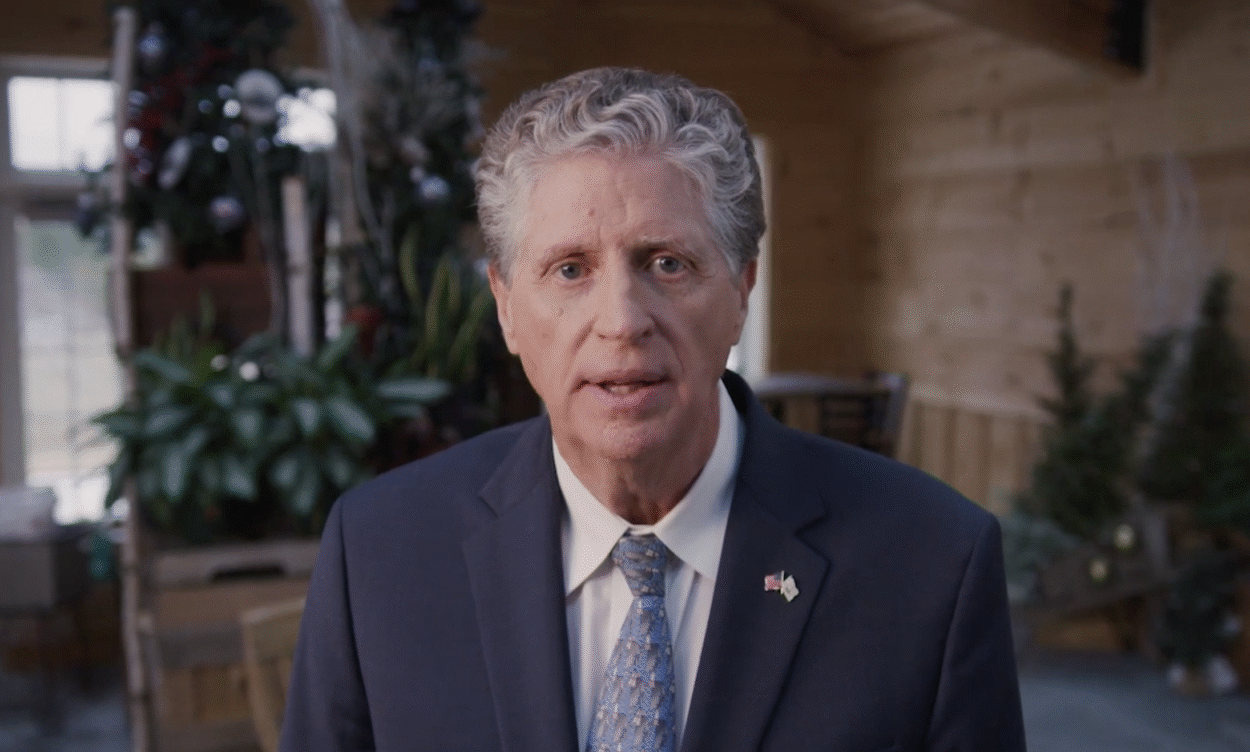
And now Gov. Josh Shapiro is joining Republicans and Democrats calling for limits on the technology.
The controversy centers on automated license plate reader cameras, including those operated by Flock Safety.
The cameras photograph passing vehicles and record license plates, locations and other identifying information, creating searchable databases that law enforcement can use during investigations.
Supporters say the technology helps police find stolen vehicles, locate missing people and solve crimes.
Critics see a surveillance network capable of tracking the movements of ordinary Americans who aren't suspected of committing a crime.
Shapiro has joined a growing bipartisan push to restrict or potentially ban the cameras in Pennsylvania. More than 1,000 of the devices are reportedly operating in the Philadelphia area alone.
The backlash has produced some unusual political alliances.
State Sen. Doug Mastriano, a Republican, is preparing legislation that would prohibit what he calls the "mass, suspicionless collection and retention" of Pennsylvanians' movements through automated license plate readers.
Democratic lawmakers are also pursuing legislation aimed at creating stronger privacy protections and penalties for misuse.
The concern isn't theoretical. Lawmakers have pointed to reports from around the country involving people with authorized access allegedly using license plate reader data to stalk former partners or track individuals for personal reasons.
That leaves Pennsylvania facing a difficult question. How much surveillance should Americans accept in the name of public safety?
Police argue these cameras can be valuable tools. But even some of Pennsylvania's elected officials now appear concerned that the technology is expanding faster than the rules designed to control it.
And in the age of AI, that may be the real fight. The cameras aren't coming. They're already here.