
A Pennsylvania state Senate race in Lancaster County is shaping up as one of the more consequential down-ballot contests of the 2026 election, with incumbent Democrat James Malone defending a seat Republicans have strong reasons to believe they can reclaim.
Malone narrowly won the 36th Senate District in a 2025 special election, defeating Republican candidate Tom Jones by just 526 votes.
The district, however, remains heavily Republican.
Registered Republicans outnumber Democrats by more than 41,000 voters.
That makes Malone’s reelection campaign an important test for Democrats as they attempt to gain control of the Pennsylvania Senate.
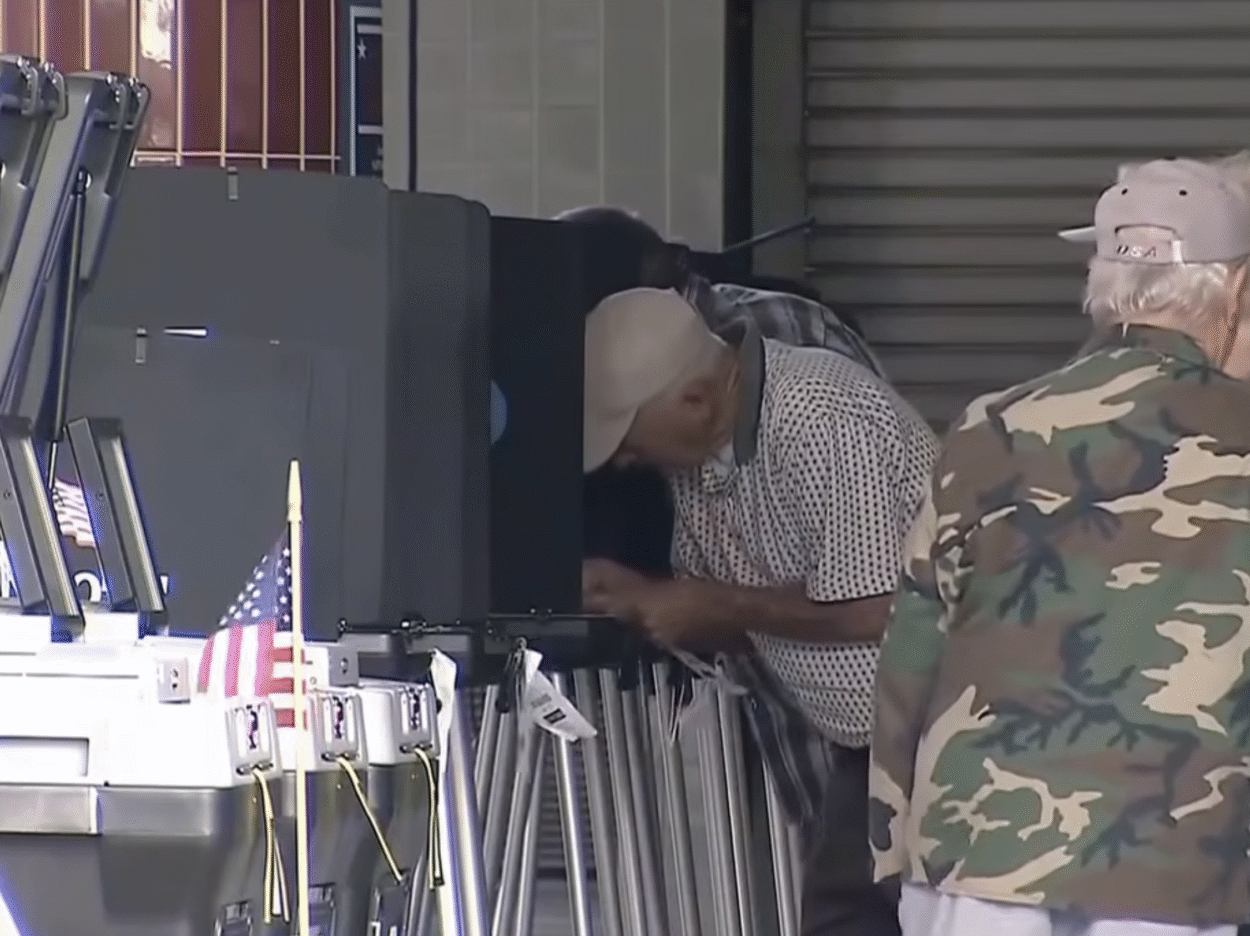
The circumstances are also different from last year’s special election. Turnout in that contest was only 29%, and political analysts said low participation played a significant role in the outcome.
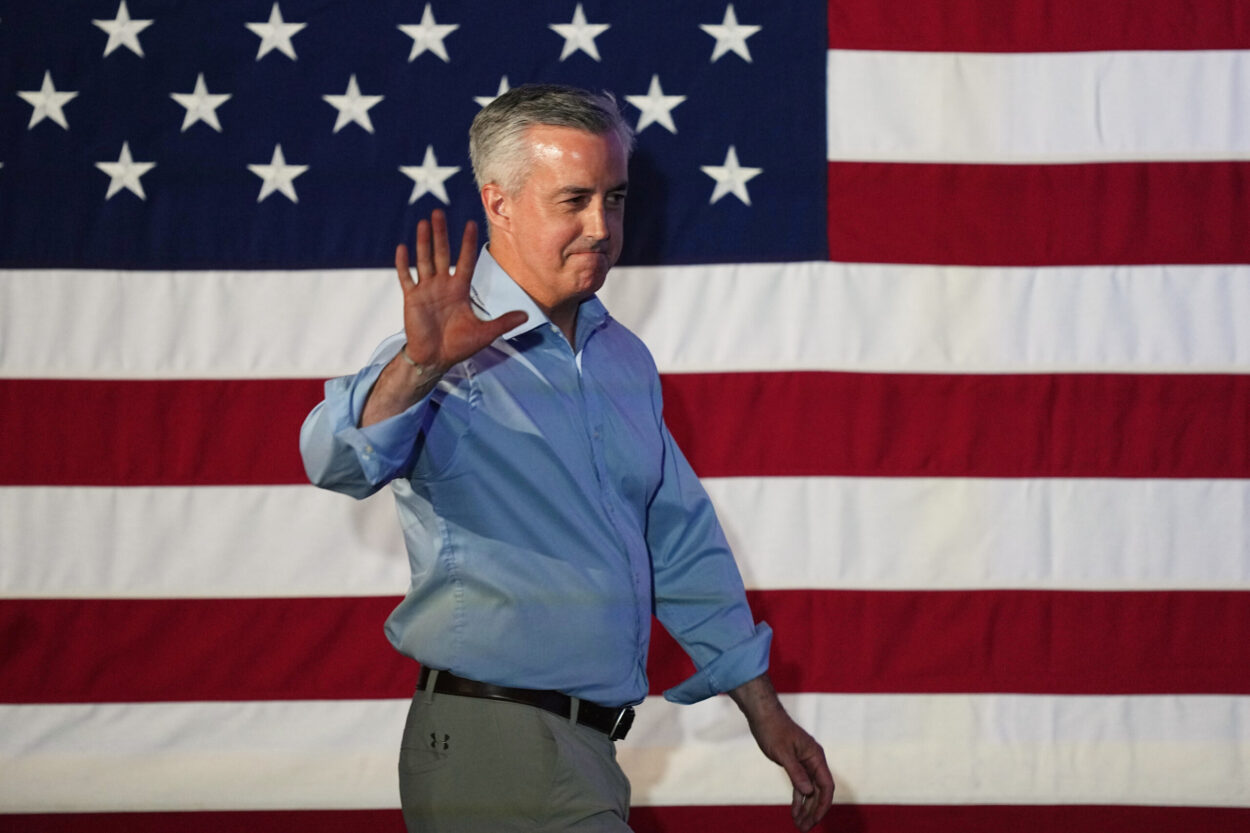
Jones, a Republican state representative from Lancaster County, is running on issues including lower health-care costs, jobs, term limits and opposition to unregulated data-center development.
He is also a member of the state House Freedom Caucus and has backed lower taxes, school-choice measures, Second Amendment protections and restrictions on abortion.
Malone, meanwhile, has cultivated a more moderate profile while supporting some positions associated with Republicans. He has backed increased funding for law enforcement, Sunday hunting opportunities and legislation addressing Pennsylvania’s sentencing laws.
The race is also becoming a referendum of sorts on the possibility of a Democratic “trifecta” in Harrisburg, control of the governorship and both chambers of the legislature.
Gov. Josh Shapiro has already thrown his support behind Malone, saying Democrats need to hold the seat as part of their broader effort to secure unified control of state government.
Republicans, meanwhile, are framing the contest as a chance to maintain their Senate majority.
The district’s voters appear focused on more immediate concerns as well, including housing costs, utility bills and grocery prices.
For both parties, the Lancaster race demonstrates how Pennsylvania’s political map remains unsettled, particularly in communities that have shifted politically while retaining large Republican voter-registration advantages.